
History
Established in 1972 as a constituent institute of Tribhuvan University, the Institute of Medicine (IOM) has been central to the development of Nepal’s health workforce, clinical services, and biomedical research. Conceived to reduce dependence on foreign training and to strengthen national health systems, IOM began by training mid-level health workers and soon expanded to comprehensive undergraduate medical education. Located in Maharajgunj, Kathmandu, the institute grew into the country’s principal academic health institution, combining teaching, clinical care, and research.Early milestones included the launch of the MBBS program and the establishment of allied health courses in nursing, pharmacy, and dentistry. These foundational programs produced the first large cohorts of domestically trained physicians and allied health professionals. A major turning point was the introduction of postgraduate specialty training, which enabled Nepalese clinicians to pursue advanced qualifications within the country and helped build specialist capacity across medicine, surgery, pediatrics, obstetrics and gynecology, and other fields.
Organizational and academic expansion followed: IOM formalized governance structures, created departments spanning clinical and basic sciences, and developed the Tribhuvan University Teaching Hospital as its principal clinical partner and a national referral center. Curricular reforms over the years brought more student-centered and community-oriented approaches, including district hospital rotations, rural health camps, and problem-based learning, ensuring graduates were prepared to address diverse population health needs and the challenges of service in resource-limited settings.
Research capacity slowly matured alongside clinical and teaching activities. Faculty-led studies on endemic infectious diseases, maternal and child health, and health systems informed national policy and clinical practice. International collaborations and partnerships with universities and development agencies provided support for faculty development, infrastructure improvements, and joint research initiatives, contributing to rising academic standards and scholarly output.
IOM’s societal role became particularly visible during national crises. The institute and its teaching hospital provided critical emergency care, training, and coordination during the 2015 Gorkha earthquake and played a significant role in clinical care, public health response, and guideline development during the COVID-19 pandemic. These responses reinforced IOM’s responsibility not only as an academic center but also as an essential healthcare provider for the nation.
In recent decades IOM has expanded program offerings to include masters and doctoral-level degrees in public health and medical sciences, upgraded laboratories and simulation facilities, and pursued accreditation and quality-assurance processes. Graduates have gone on to lead clinical services, public health programs, academic departments, and policy initiatives across Nepal and abroad. While ongoing challenges remain—resource limitations, equitable distribution of trained personnel, and the need for continual curricular modernization—its trajectory shows resilience and adaptation.
IOM continues to invest in faculty development, digital health, and interprofessional education, seeking to bridge urban–rural health gaps through outreach and partnerships. With a legacy of capacity building, research, and service, the Institute of Medicine remains poised to shape Nepal’s health future and contribute to regional and global health challenges. steadily.
Capturing the milestones and memories that shaped our college
Our Journey in Images
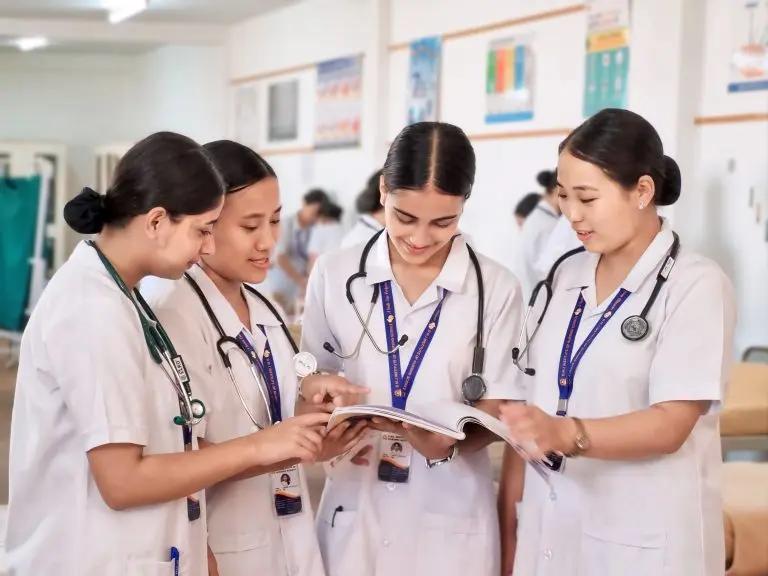
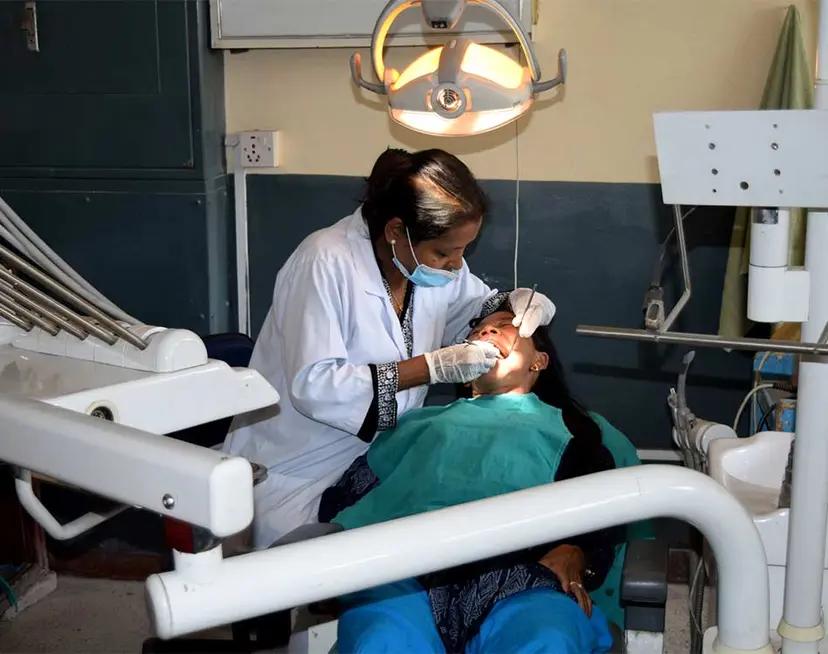
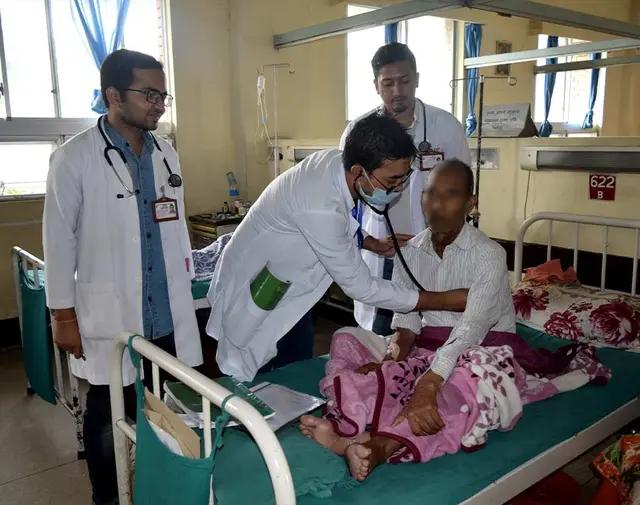
Our Journey Through Time
Institutional Timeline
1972
The Institute of Medicine (IOM) was established under Tribhuvan University with the mandate to train all categories of health manpower. Developed 12 campuses (3 in Kathmandu, 9 outside). Initial focus on middle-level health workers with programs in ANM, CMA, Proficiency Certificate in General Medicine, Pharmacy, Radiology, Physiotherapy, Nursing, Health Laboratory, and Traditional Medicine.
1977
Started 2-year Bachelor of Nursing Programme at graduate level with specializations in Community Nursing, Pediatric Nursing, and Adult Nursing to train tertiary level health professionals.
1978
300-bed TU Teaching Hospital completed with JICA support, serving as the center for teaching, learning, and research. Three-year Postgraduate Generalist Training (Family Physician, MD General Practice) started in collaboration with University of Calgary, Canada.
1984
One-year Postgraduate Diploma in Anesthesiology launched with support from University of Calgary, Canada.
2008
MCh Program in surgery started in Gastroenterology, Urology, Neurosurgery, and Cardiothoracic and Vascular surgery, marking the beginning of super specialized training.
2013
Running 29 different programs from proficiency certificate to highest postgraduate degree across 9 campuses. MBBS intake increased by 15 seats, bringing total to 775 students annually in TU system.
Present
Conducting 63+ academic programs (PCL, undergraduate, postgraduate, DM/MCH/PhD) across 7 constituent campuses. Has 15 affiliated health science colleges with 7 implementing MBBS. TUTH expanded to 700-bed capacity. Offers DM in 6 programs, MCh in 5 programs, and PhD in 3 programs. Maharajgunj Medical Campus is the largest with highest programs, students, and faculty. Total MBBS intake: 775 students (700 in affiliated colleges + 75 at Maharajgunj). Nepal's largest health science education institution.